
heyuoqing@gmail.com
86-18988729072
As a core temperature-control component for precision machining equipment, oil chillers are widely used in applications such as machine tool spindles, hydraulic stations, injection molding systems, and grinding machines, ensuring stable equipment operation through constant-temperature cooling. Many instances of unplanned downtime, oil temperature fluctuations, and loss of machining precision stem from inadequate routine maintenance. Proper and regular maintenance not only lowers the risk of unexpected breakdowns but also reduces energy consumption and extends the overall service life of the equipment.
I. Daily Inspections (Before Startup / During Operation)
Monitor Oil Level and Quality: Ensure the oil level in the tank falls within the specified range. If the oil appears dark, cloudy, emits an unusual odor,
or shows signs of foaming, it has likely degraded and must be replaced promptly.
Check Operating Parameters: Verify that the difference between the set temperature and the actual oil temperature is within the normal range. Ensure there are no active alarms for over-temperature, low pressure, or high pressure.
Inspect Heat Dissipation Components: For air-cooled oil chillers, check the cooling fins to ensure they are free from dust or debris. Observe the cooling fan for any abnormal noise or vibration during operation.
Inspect Piping and Connections: Check oil ports, flanges, and hoses for leaks or seepage. If a leak is detected, shut down the unit immediately to prevent oil loss, which could otherwise lead to the burnout of the compressor.
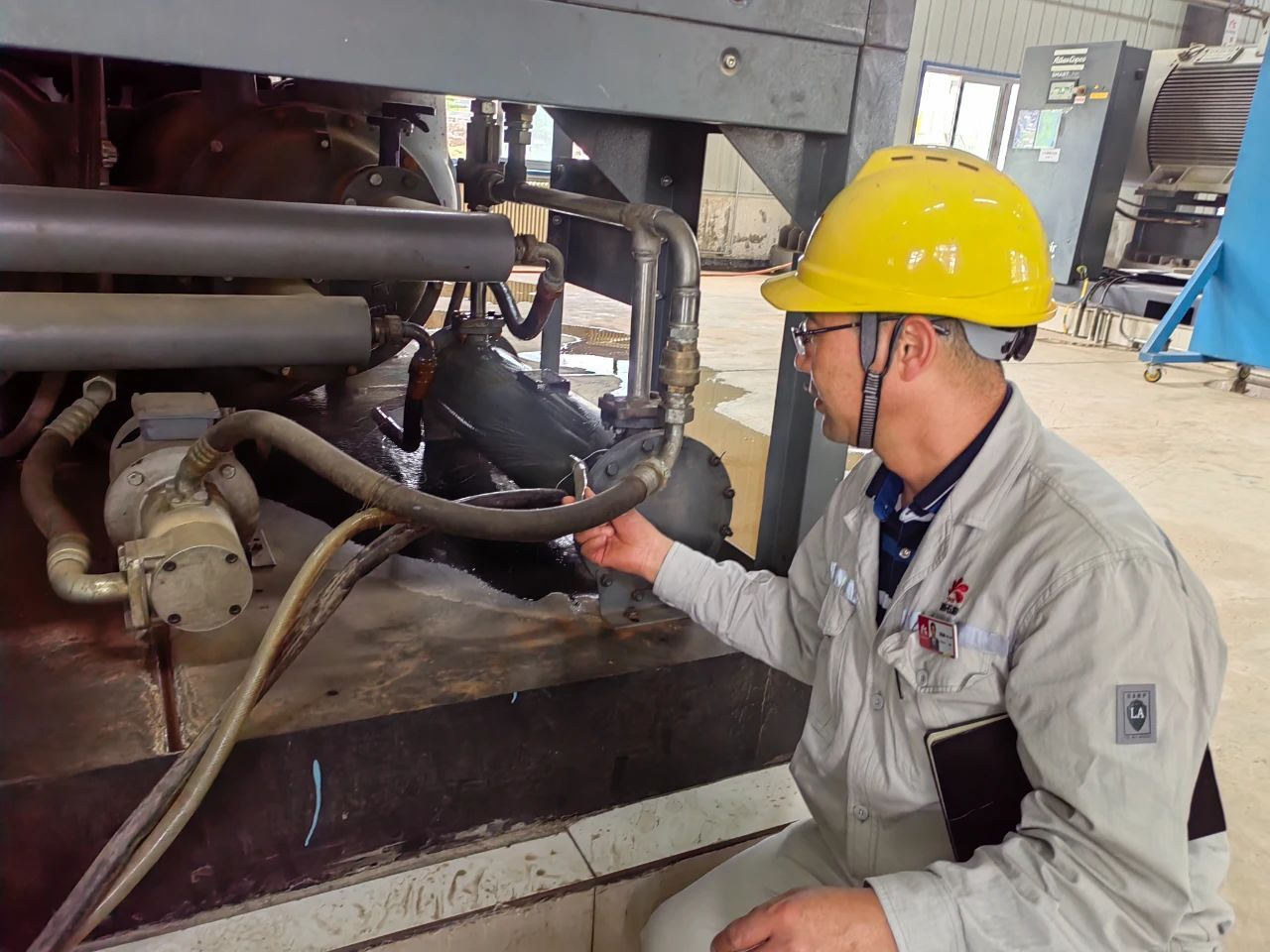
II. Weekly Maintenance Tasks
Clean the Condenser: Use dry compressed air to blow dust and aluminum shavings off the cooling fins. Never use a high-pressure water jet on electrical components, as this could cause a short circuit.
Clean the Oil Return Filter: Remove and clean the filter mesh. If the mesh is damaged, it must be replaced to prevent hard particles from entering the oil circuit and causing wear to the spindle or oil pump.
Inspect Wiring and Terminals: Check power and control cables for signs of aging or loose connections. Ensure that the wiring for the cooling fan and oil pump is secure.
III. Monthly In-depth Maintenance
Test Cooling Oil Performance: Analyze the oil’s viscosity and moisture content. Excessive moisture can lead to corrosion within the oil circuit and a reduction in heat-exchange efficiency. Check the oil
pump’s operating status: Listen to the pump while it is running to identify any abnormal noises, dry running, or pressure instability; replace oil seals promptly if necessary.
Check temperature sensors: Verify the readings from temperature probes; calibrate or replace them if the deviation is too large to ensure precise temperature control.
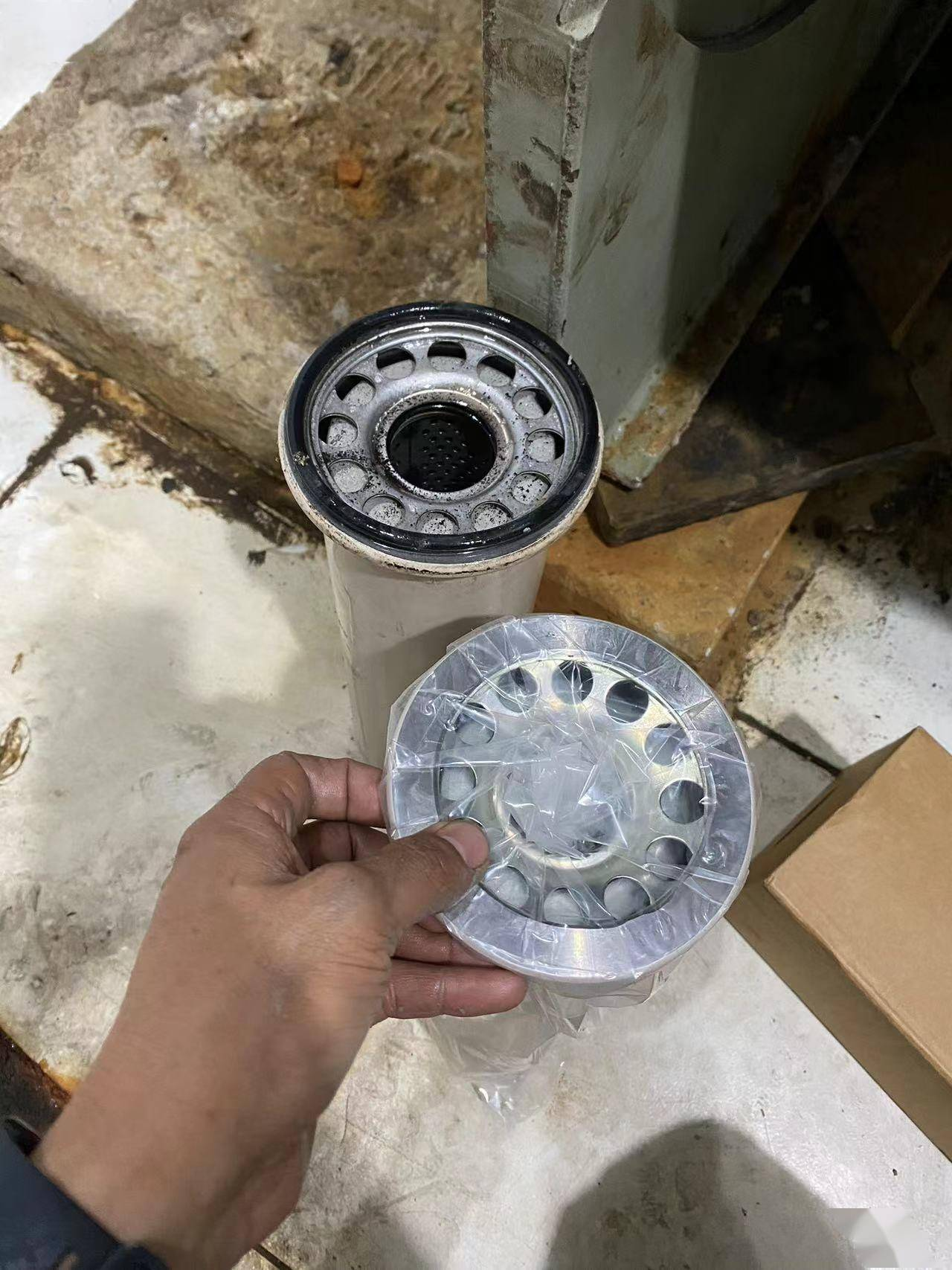
IV. Quarterly / Annual Maintenance
Replace refrigeration/circulating oil: Use only the specific grade of oil recommended in the equipment manual—never mix different types. Clean the oil tank thoroughly when changing the oil.
System leak detection: Inspect both refrigerant and oil circuits for leaks. Refrigerant leaks directly lead to insufficient cooling capacity and slow temperature reduction.
Full-system functional testing: Simulate high and low-temperature operating conditions to ensure that safety features—such as overload, over-temperature, and oil-pressure protection—are triggered correctly.
V. Best Practices for Daily Use
✅ Long-term storage: Drain impurities from the oil circuit, take measures to prevent dust accumulation, and power on the unit periodically for test runs.
✅ Environmental requirements: Place the unit in a well-ventilated, dry area, away from dust and mists of cutting fluids.
❌ Do not operate the unit continuously for long periods under over-temperature or overloaded conditions.
❌ Do not wash the electrical control box or control panel directly with water.
❌ Do not bypass or "short-circuit" any safety protection switches.
Conclusion
An oil chiller is a piece of precision temperature-control equipment; stable oil temperature is the foundation of high-precision machining. Establishing a standardized maintenance log and conducting regular inspections will significantly reduce downtime losses and ensure continuous production. Jianlong Oil Chillers offer customization options, as well as comprehensive maintenance guidance and spare parts supply.
For inquiries regarding oil chiller selection or maintenance plans, please contact: Kelly
Email: heyuoqing@gmail.com
WhatsApp: +8618988729072
Official Website: https://www.machinejianl.com/

Contact: kelly
Phone: 18988729072
Tel: 86-18988729072
Email: heyuoqing@gmail.com
Add: Guangyi Industrial Park, No. 2, Tanglip Jinfu West Road, Liaobu Town, Dongguan City, China
We chat