
lifuyan78@gmail.com
86-18822971180
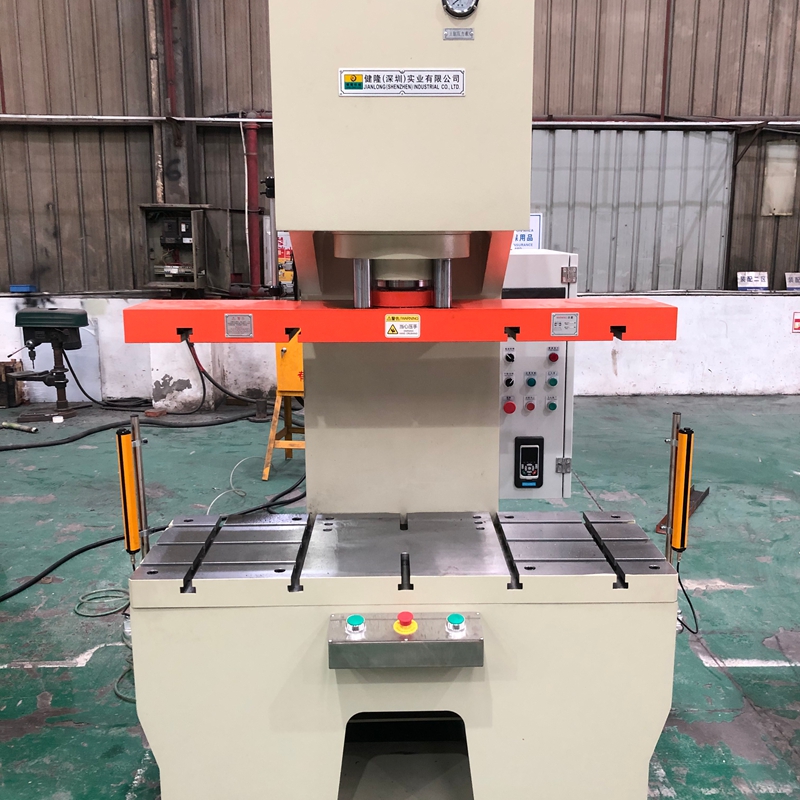
The 40-ton C-type hydraulic press is primarily used in two areas for special material processing: powder metallurgy product pressing and plastic/composite material molding. Furthermore, its precise pressure controllability gives it unique advantages when processing brittle materials or composite materials with special processing requirements. Below, Jianlong Hydraulic Technology shares some insights for your reference when purchasing!
1. Core Application Scenarios Analysis
1.1 Powder Metallurgy Products
• Specific Applications: Iron-based and copper-based powder pressing; cemented carbide and magnetic material molding
• Process Characteristics and Value: High-pressure pressing of metal powder in a mold (compacting) provides the blank for subsequent sintering. 40 tons of pressure is suitable for the mass production of small and medium-sized oil-impregnated bearings, gears, structural parts, etc.
1.2 Plastics and Composite Materials
• Specific Applications: Thermosetting plastic compression molding; SMC/BMC molding; molding of insulating materials and abrasive products
• Process Characteristics and Value: Utilizing the pressure of a hydraulic press in conjunction with a heated mold, thermosetting plastics are cured and molded under high temperature and pressure. Commonly used in the production of electrical switches, insulating parts, grinding wheels, etc.
1.3 Special Metal Sheets
• Specific Applications: High-strength alloy sheet stamping; forming of titanium alloy and magnesium alloy parts
• Process Characteristics and Value: Through controllable pressure and speed, special metal materials that are prone to cracking on ordinary stamping presses can be processed, such as small precision parts in the aerospace or medical fields.
1.4 Special Ceramics and Hard Materials
• Specific Applications: Electronic ceramic substrate pressing; cemented carbide insert pressing
• Process Characteristics and Value: Meets the requirements for extremely high density uniformity in compression molding. The constant pressure within the stroke of the hydraulic press ensures uniform filling and compression of powder within complex mold cavities, reducing delamination or density inconsistencies.
1.5 Irregular/Large-Size Parts
• Specific Applications: Workpieces with complex shapes, long lengths, or those difficult to place in a closed press body.
• Process Features and Value: The C-type press's three-sided open design solves the problem of closed presses being unable to process irregularly shaped or long shaft parts, such as for straightening long profiles or molding irregularly shaped composite materials.
2. Unique Advantages in Processing Special Materials
The 40-ton C-type hydraulic press is capable of processing the aforementioned special materials, mainly due to its several unique performance characteristics:
2.1 Precise and Controllable Pressure and Stroke
Special materials are often extremely sensitive to forming pressure. The C-type hydraulic press can output rated pressure (40 tons) at any position during its stroke, unlike mechanical punch presses which rely on a fixed bottom dead center. This characteristic is crucial when pressing powder metallurgy parts or brittle ceramics, effectively preventing "crushing" or "uneven density." Combined with a PLC control system, it can achieve constant pressure forming (automatic return when pressure is reached) and constant stroke forming (stopping only when the position is reached), meeting the process requirements of different materials.
2.2 Flexible Operability of the C-Type Body
Processing special materials often involves experimental or small-batch production, requiring frequent mold changes and adjustments. The three-sided open design of the C-type body provides operators with excellent visibility and operating space, especially facilitating manual filling, placing complex molds, and removing pressed parts. This open structure is ideal for "non-standard irregular molds" used in powder metallurgy or for plastic molds requiring heating.
2.3 Wide Material Adaptability
Thanks to the flexibility of hydraulic transmission, this equipment can process not only traditional ferrous metals but also easily handle a variety of "atypical" materials. By simply adjusting pressure and speed, it can achieve:
• Constant pressure pressing of soft materials (such as plastic powder and rubber).
• Slow pressing of brittle materials (such as ceramics and hard alloys) to prevent cracking.
• Deep drawing or straightening of high-strength materials (such as titanium alloys).
3. Typical Parameter Configuration Reference
The following are typical parameters for a 40-ton C-type hydraulic press suitable for processing special materials, for your reference in selection:
3.1 Nominal Pressure
• Typical Value: 400 KN (40 tons)
• Significance for processing special materials: Meets the pressure requirements ofsmall and medium-sized powder parts, plastic parts, and special metal parts.
3.2 Throat Depth
• Typical Value: Approximately 220 mm
• Significance for processing special materials: Determines the width range of workpieces that can be processed.
3.3 Maximum Mold Height
• Typical Value: Approximately 360 mm
• Significance for processing special materials: Affects the height at which molds can be placed, especially important for molds requiring heating plates.
3.4 Control Method
• Typical Value: PLC + Touch Screen
• Significance for processing special materials: Supports constant pressure/constant stroke control, can store process parameters for different materials, and can recall them with one click.
3.5 Speed Adjustment
• Typical Values: Fast Down / Feed / Return
• Significance for Special Material Processing: Enables "fast feed-slow press-fast return," with slow feed crucial for ensuring powder venting and preventing cracks.
4. Selection Tips: Focus on Rigidity
While the C-type press is easy to operate, its open structure makes it slightly less rigid than a four-column press when subjected to eccentric loads. For powder metallurgy or ceramic pressing, it is essential to align the mold center with the cylinder center; otherwise, slight deformation of the frame may result in uneven compact density, affecting the yield after sintering.
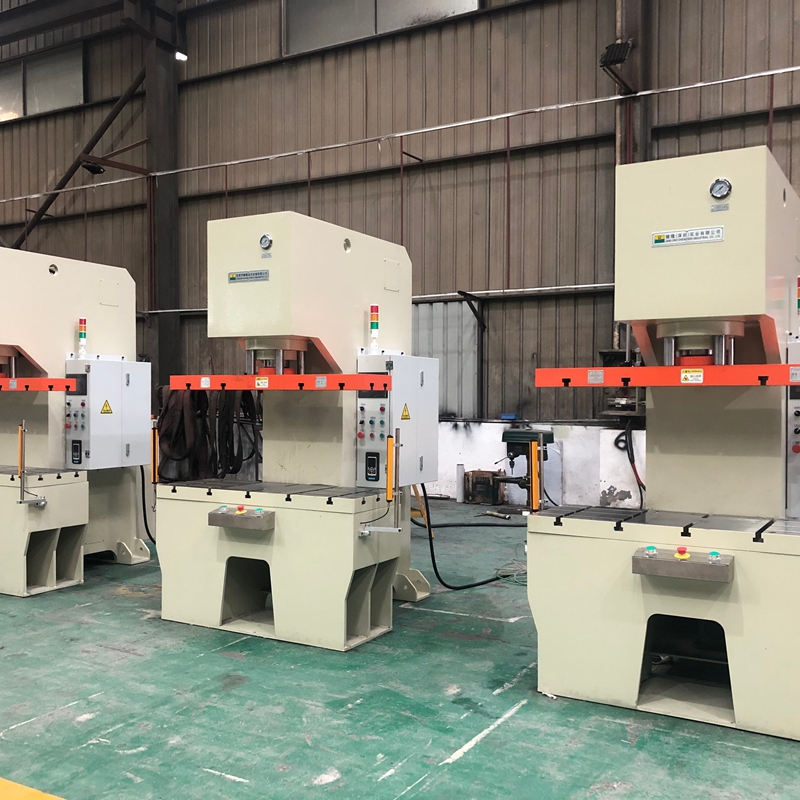
In summary, the application of the 40-ton C-type hydraulic press in special material processing is a product of its precise pressure control and flexible machine design. It is no longer simply a "press" or "shear" press, but has evolved into a precision forming platform capable of handling various special materials such as powders, plastics, and brittle metals. Whether pressing a precision powder metallurgy gear or molding a specially structured insulating plastic part, it is a common core piece of equipment in laboratories and small-scale special production lines. Are you planning to press powder metallurgy parts (such as oil-impregnated bearings) or mold specialty plastics? Tell us the specific material type, and we can help you confirm the 40-ton configuration and whether a heating function is required.Currently, Jianlong Hydraulic Technology can customize hydraulic presses from 10 to 5000 tons (with supporting products such as chillers and air compressors). All hydraulic presses are CE certified and fully comply with the EU Machinery Directive (2006/42/EC). Our products are sold to Europe and America, including Germany, the United States, Mexico, and Portugal. If you have purchasing needs, please contact us (or scan the WhatsApp QR code below). Jianlong Hydraulic Technology will provide you with personalized and customized professional solutions and is dedicated to serving you.

Contact: Miss.Li
Phone: 18822971180
Tel: 86-18822971180
Email: lifuyan78@gmail.com
Add: Guangyi Industrial Park, No. 2, Tanglip Jinfu West Road, Liaobu Town, Dongguan City, China
We chat