
lifuyan78@gmail.com
86-18822971180
The piston air compressor is a widely used positive-displacement compressor featuring mature technology; it compresses gas through the reciprocating motion of a piston within a cylinder. Simply put, its operating principle resembles that of a bicycle pump, though it is driven by an electric motor, possesses a more complex structure, and is capable of generating higher pressures. The following information is provided by the team at Jianlong Hydraulic Technology to assist you with your purchasing decisions!
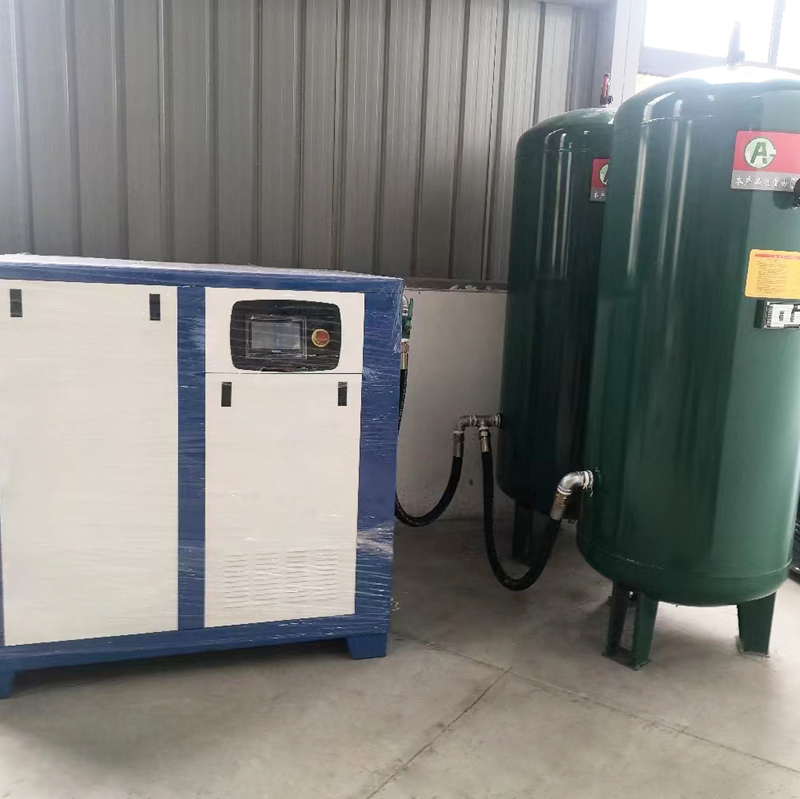
1. Operating Principle and Basic Structure
The core operating cycle of a piston air compressor consists of "intake" and "compression/exhaust" phases: as the piston moves downward, the pressure inside the cylinder drops, and the intake valve opens to draw in air; as the piston moves upward, the gas is compressed, and once the pressure is sufficiently high, the discharge valve opens to release the compressed air. This process is driven by a crank-connecting rod mechanism that converts the rotary motion of the electric motor into the reciprocating motion of the piston. A complete piston air compressor unit is primarily composed of the following parts:
1.1 Working mechanism: Includes the cylinder, piston, valves, etc.; these are the components that directly compress the gas.
1.2 Transmission mechanism: Composed of the crankshaft, connecting rods, etc.; responsible for power transmission.
1.3 Main body and auxiliary systems: Provide structural support and housing, and include auxiliary systems—such as lubrication and cooling—to ensure the machine operates correctly.
2. Advantages and Disadvantages
When choosing a piston air compressor, it is necessary to weigh its distinct advantages and disadvantages:
2.1 Advantages:
· Simple structure and affordable price: Features a classic design, lower manufacturing costs, and requires a smaller initial investment.
· Robust and adaptable: Capable of withstanding harsh operating conditions; easily configured for high-capacity and ultra-high-pressure output, covering a wide pressure range.
· Relatively straightforward maintenance: Although there are many parts, repair techniques are widely known, and operation is relatively intuitive.
2.2 Disadvantages:
· High noise and vibration levels: The inertial forces from the reciprocating motion generate significant noise and vibration, which can impact the working environment.
· Unsuitable for continuous operation: This is a key drawback. Its duty cycle is typically only 50%–60%, meaning it requires a cooling-off period after running for a certain duration (e.g., 30–35 minutes) to prevent overheating and damage; consequently, it is suitable only for intermittent use.
· Pulsating airflow: The air discharge is intermittent rather than steady, usually requiring an air receiver tank to buffer the flow.
· High maintenance frequency: It features numerous moving parts (such as piston rings and valves) and wear-prone components, resulting in a relatively high maintenance workload.
3. Common Classifications and Applications
The piston air compressor family is extensive, with various classification methods to suit different operational scenarios:
3.1 By pressure rating:
· Low pressure: ≤1.0 MPa (most common).
· Medium pressure: 1.0 MPa < P ≤ 10 MPa.
· High pressure: 10 MPa < P ≤ 100 MPa.
3.2 By compression stages:
· Single-stage: Commonly used for systems requiring 0.3–0.7 MPa; efficiency drops significantly when pressure exceeds 0.6 MPa.
· Multi-stage (e.g., two-stage): Used when higher pressures are required; multi-stage compression combined with intercooling lowers discharge temperature, saves compression energy, and improves efficiency.
3.3 By lubrication method:
· Oil-lubricated: Most common, though the compressed air will contain traces of oil.
· Oil-free: No oil is injected into the cylinder, providing cleaner compressed air suitable for industries such as pharmaceuticals, food processing, and precision electronics.
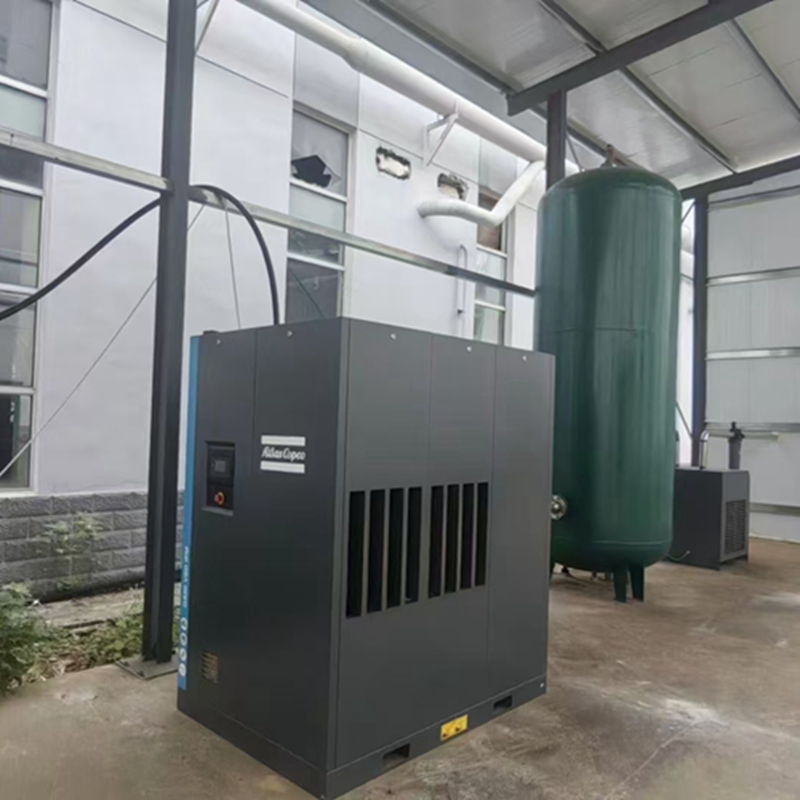
Piston air compressors are ideal as auxiliary or portable air sources for applications with low air demand or intermittent usage, such as small workshops, auto repair shops, tire inflation, and construction sites. If you have a limited budget and do not require continuous, full-load operation, this is undoubtedly a cost-effective choice. To learn more, please share your specific application details with us (e.g., the equipment used, daily usage duration, and required pressure), and we can help determine if this type of compressor is right for you. Scan the WhatsApp QR code below; Jianlong Hydraulic Technology is dedicated to providing you with personalized, customized professional solutions.

Contact: Miss.Li
Phone: 18822971180
Tel: 86-18822971180
Email: lifuyan78@gmail.com
Add: Guangyi Industrial Park, No. 2, Tanglip Jinfu West Road, Liaobu Town, Dongguan City, China
We chat