
lifuyan78@gmail.com
86-18822971180
A hydraulic punch press is a type of forging equipment that utilizes a hydraulic system to generate pressure and drives a slide or punch via a hydraulic cylinder to perform stamping operations. Compared to traditional mechanical punch presses, hydraulic punch presses offer features such as adjustable pressure, smooth operation, controllable stroke, and high versatility; they are suitable for processes including punching, blanking, bending, press-fitting, forming, and deep drawing. The following information is provided by the team at Jianlong Hydraulic Technology; please feel free to contact us with inquiries.
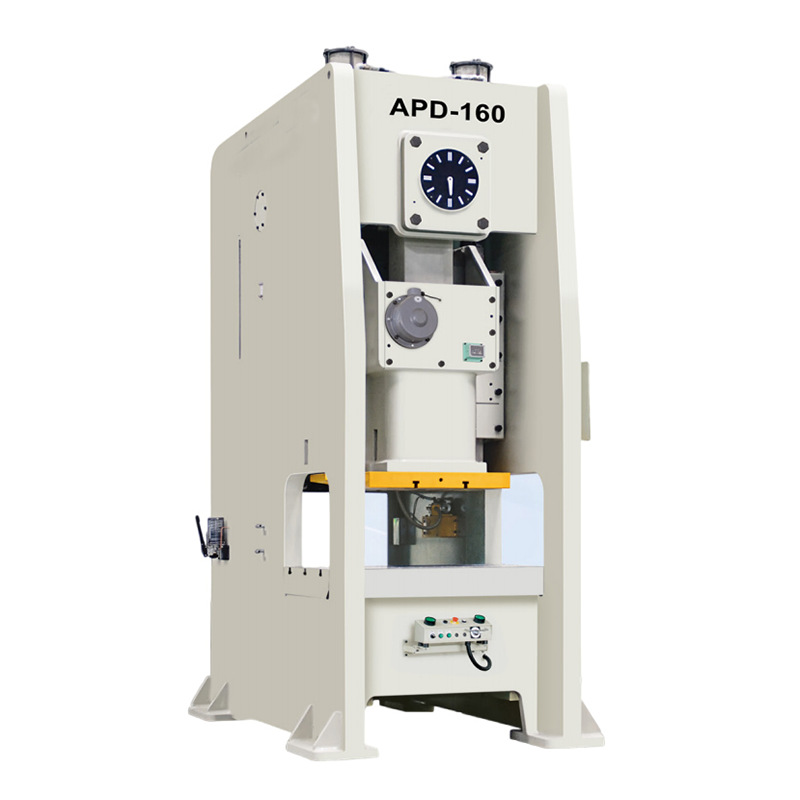
1. Main Classifications and Structure
Hydraulic punch presses can be classified in various ways; common types include:
1.1 Open C-frame: The machine body is "C"-shaped, providing open access from three sides. This makes loading and unloading molds and workpieces very convenient, making it ideal for processing small to medium-sized parts.
1.2 Closed-frame/Four-column type: Constructed with four vertical columns and upper and lower crossbeams to form a closed frame. This design offers exceptional rigidity and the ability to withstand significant off-center loads, making it suitable for processing large, high-precision, or heavy-duty workpieces.
2. Key Features of Hydraulic Punch Presses
2.1 Adjustable pressure: Operating pressure can be set according to material and process requirements to meet the needs of different products.
2.2 Smooth operation: Hydraulic transmission enables smooth pressure application, resulting in relatively low impact and vibration during the stamping process.
2.3 Controllable stroke: The slide stroke and working position can be adjusted based on mold and product specifications, making it suitable for forming operations requiring varying depths.
2.4 Pressure-holding function: The press can maintain a set pressure after reaching it, a feature particularly useful for press-fitting, forming, straightening, and certain deep-drawing processes.
2.5 High versatility: By changing molds, the machine can perform a wide range of operations, such as punching, blanking, bending, press-fitting, and sizing.
2.6 Ease of automation: It can be integrated with manipulators, robots, automatic feeders, and conveyor systems to enable automatic loading/unloading and continuous production.
3. Typical Application Areas
Due to their versatility, hydraulic presses play a pivotal role across numerous manufacturing sectors:
3.1 Automotive Manufacturing: Used for processing vehicle body panels, chassis frames, interior components, etc.
3.2 Electronics and Appliances: Used for stamping, forming, and trimming mobile phone and computer casings, as well as home appliance panels.
3.3 Hardware and Machinery: Used for punching, bending, riveting, and press-fitting various metal parts.
3.4 Heavy Industry: Used for forming large structural components in sectors such as rail transportation and energy equipment.
4. Technical Development Trends
In recent years, technological advancements in hydraulic presses have focused primarily on intelligence, energy efficiency, and high performance:
4.1 Servo-driven Systems: Utilizing servo motors to drive hydraulic pumps instead of traditional standard motors. This approach allows motor speed to be adjusted based on actual operational needs, resulting in significant energy savings (exceeding 65%), lower operating noise, and higher control precision.
4.2 High-Precision Control: By integrating linear scales, proportional servo valves, and PLC control systems, closed-loop control of slide position, speed, and pressure is achieved, maintaining repeat positioning accuracy within ±0.01mm to ±0.05mm.
4.3 Digitalization and Automation: Modern hydraulic presses typically feature touchscreen interfaces capable of storing multiple sets of process parameters; they also integrate easily with automatic feeding systems and robotic arms to form automated production lines.
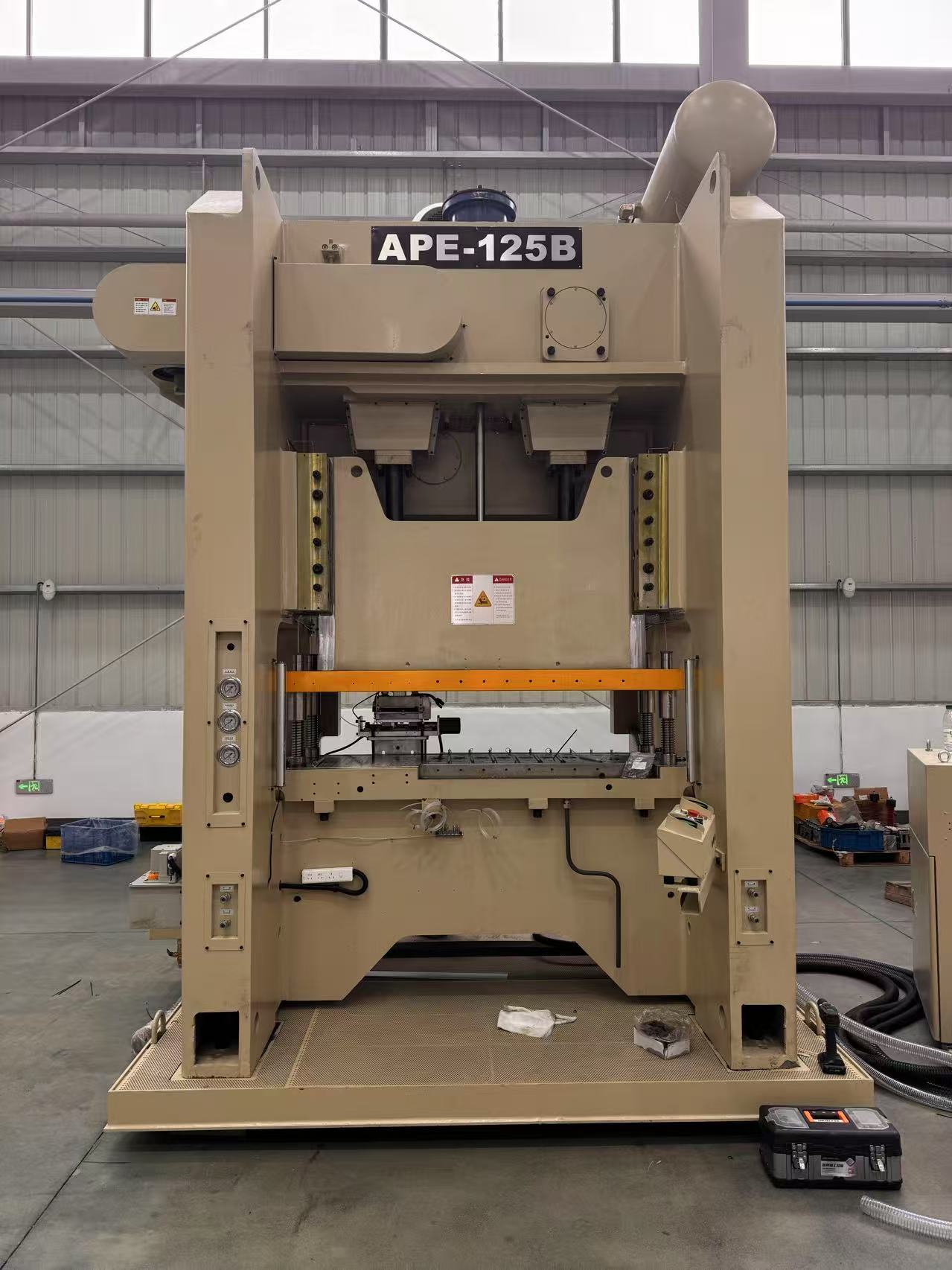
In summary, the primary advantages of hydraulic presses lie in their adjustable pressure, speed, and stroke, as well as their ability to perform dwell (pressure holding) and flexible forming operations. Consequently, hydraulic presses offer distinct advantages for products requiring high tonnage, complex forming, or precise pressure control; conversely, mechanical presses are generally more efficient for high-speed, high-volume simple blanking operations. Please contact us for further information regarding hydraulic presses. Our machines are CE certified and fully compliant with the EU Machinery Directive (2006/42/EC); our products are exported to markets in Europe and the Americas, including Germany, the USA, Mexico, and Portugal. If you have any inquiries or purchasing needs, please scan the WhatsApp QR code below. Jianlong Hydraulic Technology is dedicated to providing you with personalized, customized professional solutions and exceptional service.

Contact: Miss.Li
Phone: 18822971180
Tel: 86-18822971180
Email: lifuyan78@gmail.com
Add: Guangyi Industrial Park, No. 2, Tanglip Jinfu West Road, Liaobu Town, Dongguan City, China
We chat